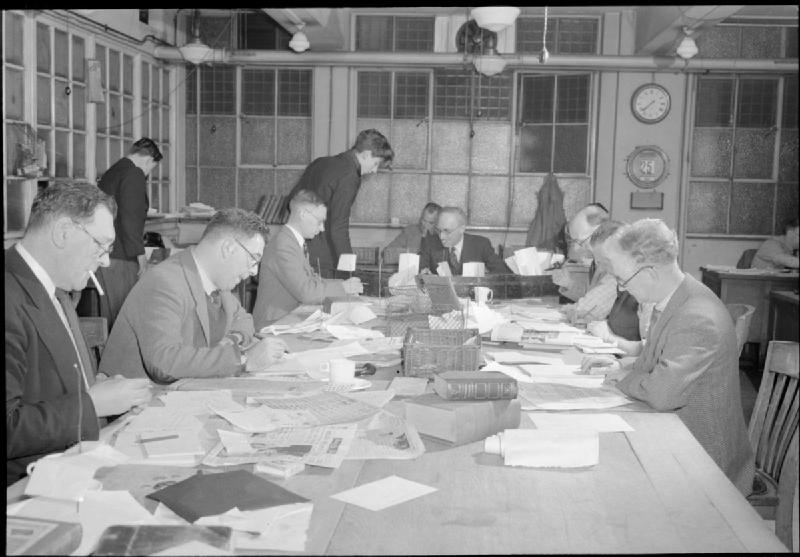
A number of articles and reports published over the last weeks have confirmed to me that public relations can be a traditional, conservative practice that is somewhat slow to change and evolve. Stuck in the past.
Example number one, an excellent blog by Dan Slee about The Sun’s transformation from being the UK’s tabloid newspaper with the highest circulation to the UK’s most viewed video news outlet. Video is now much more important to The Sun than the written word. Other news outlets, especially local news and tabloids, are following The Sun’s business model (business as it brings in revenue from the social platforms, but it is also strategic as short-form video is what people want). What does this mean for PR/communicators? Sending just a press release, written in words, is a past practice. You also need to make video available to news outlets. What some of the best PR teams call B-roll, supplementary footage. Not carefully edited, branded and captioned video, but raw video footage for the media outlets to edit. Then they may cover your story. However, very few organisations provide anything more than a few images with the written press release.
Example number two is from the same Dan Slee post. Most organisations have but one video channel on YouTube, TikTok or Instagram. Do you think your audiences are interested in everything about your organisation, or in the details of your content? Effective communication should focus on your audience’s needs, rather than on your organisation. Why not have multiple channels on each video-sharing platform that cater to a specific audience or interest? For a local authority, that might be one on how the Council works for you, with video of Council meetings or about Council services. There might be a separate channel on tourism and events. Another channel on business and economic development. In the same way that The Sun has separate channels for sport, celebrity news, and other interests.
Example number three is an astute commentary by Stuart Bruce in the excellent PR Futurist newsletter on the appointment of a former journalist as Permanent Secretary for Communications to the UK government – the Chief Communications Officer in PR/comms lingo. Apparently, the appointment was made by the Prime Minister. Years ago, senior communications positions were often filled by former journalists because understanding how newspapers presented stories was crucial. Nowadays, organisations – including government departments – need to communicate directly with audiences through social media, as that is how the majority of people in the UK get their news, according to OFCOM. Undoubtedly, journalists have strong storytelling skills; however, it isn’t a given that they have the skill of managing strategic communications.
Example number four is Employee Generated Content. I’m not going to use the term call ‘authentic’. My PR apprentices may recall we had a group discussion on what authentic actually is. No agreement on that topic! Employee Generated Content tends to be original, ‘down to earth’, and probably highly choreographed. It tends to engage with audiences as they like seeing video with Asda employees being pushed in shopping trolleys down the aisles! Years ago, at the Foreign Office, we set up a blogging platform. Six very different people every month writing about their work. I’m not advocating a return to corporate blogging. I am suggesting that all employees are, in one way or another, spokespeople. Not just the CEO. Can you use their talent?
And to end this ramble with example number five, Generative Engine Optimisation. For years, we have been told that Search Engine Optimisation (SEO) is the ultimate goal. Optimising a website for search engines is dying as the number of people using search has dropped by up to one-third this year. Instead, people are turning directly to Large Language Models, such as ChatGPT, for answers to questions or information they need. They are bypassing search. Generative Engine Optimisation (GEO) is a key consideration – how to get your organisation’s products, services, information and solutions picked up by LLMs. Great post on Substrack by Stephen Waddington on this topic. Stephen suggests that AI models reference trusted journalism, owned content and user-generated feedback. Is it time to rethink how you utilise the PESO model and focus more on earned and owned media, rather than paid and shared?
Five examples to highlight that public relations and communications are rather stuck in the past. We can evolve, and by doing so, we will become better communicators for our employers or clients.
[Image of The Daily Mail newspaper being edited in 1944, Ministry of Information Photo Division Photographer, Public domain, via Wikimedia Commons]


 Bite Size Comms
Leave a comment