
The way that people in the UK get local news is evolving. In turn, so are media outlets shifting from traditional print to online and, especially, to video news. However, the change in PR practice is much slower, as it is deeply rooted in past practices. The annual OFCOM One Nation report is a valuable data source and benchmark for understanding how the UK population consumes news. The 2025 edition is out. I want to focus on local news, as that is the area of media relations work in which my PR apprentices are primarily focused.
Recent research from Ofcom and industry studies reveal that 92% of UK adults consume local news and information, but the ways they access this content have fundamentally changed since even five years ago. These changes necessitate a comprehensive reevaluation of how PR professionals approach media relations and community engagement.
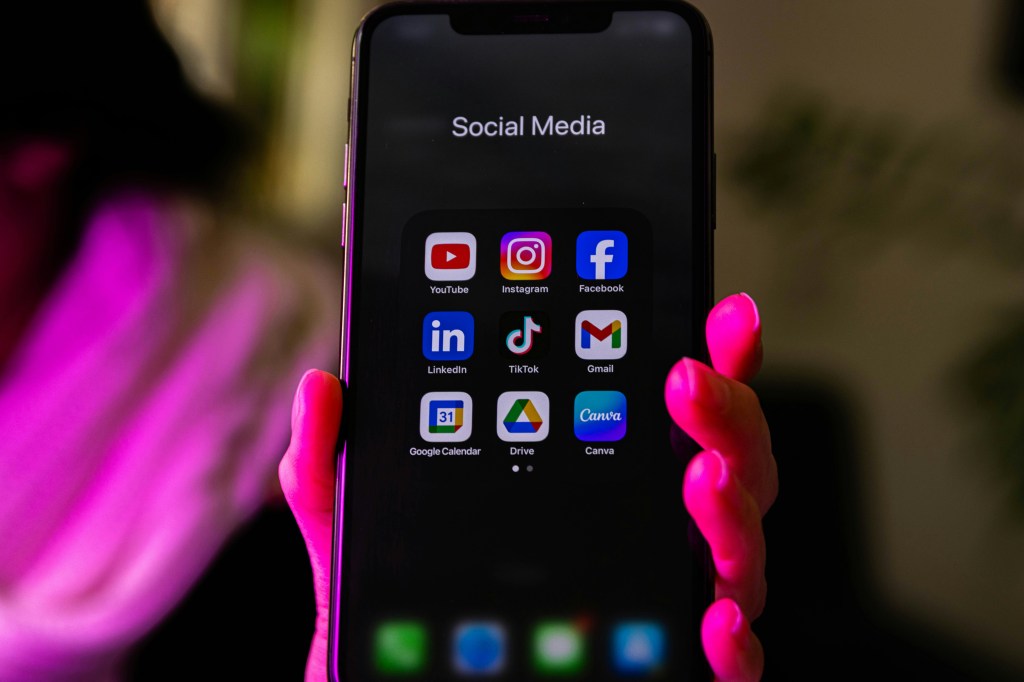
Social media has emerged as the dominant force in local news consumption, with 54% of people accessing local news through these platforms. Local Facebook groups have become the primary source for community information, reaching 38% of residents when they seek local updates. This represents a fundamental shift from traditional newspaper-first strategies to community-driven information sharing. Meanwhile, the reach of traditional local newspapers has plummeted. Only 22% of respondents now read print editions of local papers, while 32% access local newspaper websites or apps. This digital migration hasn’t just changed where people consume content – it’s transformed their expectations of how news should be delivered and discovered.
The BBC still remains a significant player, with 35% of people using BBC regional news bulletins and the BBC website or app for local information. However, online sources now dominate local media consumption at 89%, creating a complex ecosystem where traditional broadcasters compete with hyperlocal social media groups and community messaging apps.
The generational divide in local news consumption is stark and strategically significant. Only 49% of 16-to 24-year-olds follow local news, compared to 73% of those over 55. Young adults are more likely to obtain local information from news aggregators (25%) or video-sharing platforms, such as YouTube (19%), while older demographics tend to rely on traditional TV and radio sources. This fragmentation means PR professionals must develop multi-generational strategies. Among 25-34 year-olds, only 23% use local newspaper websites, yet they’re heavy consumers of video content and social media-first news. For reaching older demographics, hyperlocal messaging groups and email newsletters remain effective channels.
Despite the migration to digital platforms, 73% of UK adults still trust the news and information they see in their local news media. Local newspapers maintain higher trust levels (51%) than any national newspaper except the Financial Times. This creates a paradox for PR practitioners: audiences are consuming local news through social media but still regard traditional local media as more trustworthy sources. The trust differential is significant. People are 2.4 times more likely to find news brand sources reliable compared to social media, and 74% would turn to newspaper websites or apps to verify stories they read on social media. This suggests that while discovery occurs on social platforms, verification and deeper engagement still take place through traditional local media channels.
That’s what the OFCOM report and other industry sources highlight. What does this mean for PR practitioners wishing to up their game?
Firstly, we should embrace a social-first strategy. PR practitioners must acknowledge that Facebook is now the preferred platform for local news, while TikTok and Instagram dominate celebrity and lifestyle coverage. This means crafting content specifically for social media consumption rather than simply repurposing traditional press releases. Local groups on social media are now the most popular sources of information, so building relationships with community group administrators becomes as important as cultivating journalist contacts.
Secondly, we should develop multi-platform content strategies. The days of one-size-fits-all press releases are over. Young audiences prefer video content, with 80% of TikTok users preferring raw over polished content. Meanwhile, older demographics still value email newsletters and traditional radio. PR teams need to create content packages that serve both the 21 minutes daily that UK adults now spend watching YouTube on their TV sets and the traditional media preferences of older demographics.
Thirdly, we should prioritise local angle development. With 65% of UK adults following local news and 50% citing local awareness as a key reason for news consumption, PR professionals must become experts at localising broader narratives. Regional newspapers and news programmes want local angles on national stories, creating opportunities for skilled practitioners who can connect stories to community concerns and interests.
Fourthly, we should invest in building trusted relationships. While digital distribution is crucial, the enduring trust in local journalism means that maintaining strong relationships with local reporters and editors remains essential. Local titles reach over 42 million UK adults each month, representing 77% of the population aged 15 and above. These relationships become even more valuable as newsrooms shrink and journalists become increasingly time-poor.
Lastly, we should leverage community verification behaviour. Understanding that audiences use local media for fact-checking social media content creates new opportunities for PR professionals. By ensuring their content appears in trusted local sources, they can benefit from this verification behaviour. 91% of the public agree that local news media improve communities by campaigning on issues that matter to residents, suggesting that community-focused content receives higher engagement and trust.
The transformation of local news consumption isn’t just changing distribution channels – it’s fundamentally altering the relationship between communities and the information they receive. 92% of UK adults use local media, but they’re accessing it through an increasingly complex ecosystem of social media, traditional outlets, and emerging platforms. For PR and communications practitioners, this shift demands more sophisticated, multi-channel approaches that respect both the digital-first discovery patterns of younger audiences and the trust-based verification behaviours of the broader population.
Success will increasingly depend on understanding not just where audiences consume local news, but how they verify, share, and act upon the information they encounter. I was looking at the requirements for a freelance strategic communications consultant to a UK charity. The role description focused on traditional PR practices, including writing blogs, op-eds, reports, press releases, and newsletters. Video or audio content was not mentioned.
Practitioners who adapt to new consumption patterns, while maintaining the trust and authority that traditional local media provides, will find themselves uniquely positioned to engage audiences in an increasingly fragmented but opportunity-rich media landscape.
[Image of WH Smith news-stand at Crewe Railway Station by Matt Harrop, creative commons licence, Wikimedia Commons]


 Bite Size Comms
Leave a comment