The decision to change the US company Cracker Barrel’s brand to something more minimalist – at a reported cost of millions of dollars – has caused a massive online uproar in the States, with the President, politicians and many people voicing their dissatisfaction, until the company reverted to its original branding. A costly mistake for Cracker Barrel, both financially and reputationally. We have had some similar branding storms in the UK. The lessons have not been learnt.
Brand change fails when leaders underestimate the reactions of stakeholders to the change. Consultation is not a “nice to do” thing; it’s a risk-control mechanism that preserves equity and prevents costly U‑turns. Three fails from the UK:
– Royal Mail was renamed Consignia in 2001 to signal diversification. The backlash ridiculed the abstract name, eroding a 500‑year public trust asset. The company reverted to Royal Mail within 18 months after spending millions of pounds on the branding change. It is a good example of a company ignoring public and employee sentiment that is tied to national institutions.
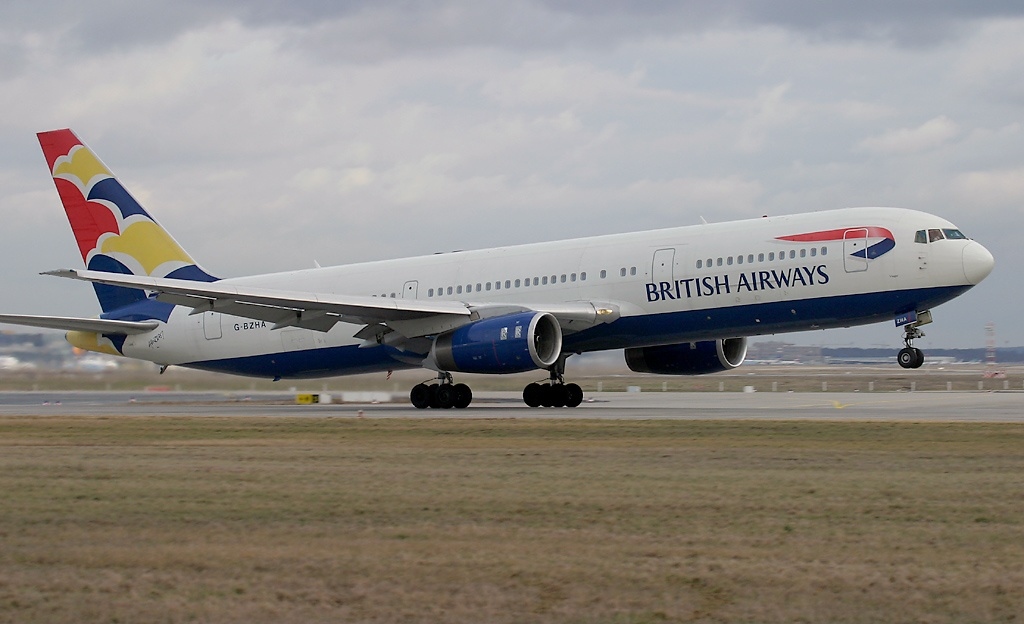
– British Airways undertook a multimillion-pound livery change in 1997 to replace Union Jack flag motifs on its aircraft tailfins with global patterns, ‘World Images’. Although it performed well internationally, it triggered a domestic identity backlash, which was politically amplified (Prime Minister Margaret Thatcher put her handkerchief over a model British Airways aircraft’s tailfin), ultimately leading to a retreat back to Union Jack imagery. It is a good example of misreading core audience symbolism and how this could be used for political effect.
– In 2021, the insurance company Standard Life Aberdeen removed the vowels from its name to Abrdn. The branding change was intended to signal modernity. The name was widely mocked online. The company changed back (nearly) to Aberdeen Group in 2025. An example of diluting hard-won brand equity, it demonstrates how linguistic usability and recognition matter at every stakeholder touchpoint, from clients to journalists to search discoverability.
The present Cracker Barrel example displays elements of all three UK branding change fails. Branding change is not just a marketing function. Public relations and communications play a crucial role in consulting and communicating with stakeholders, as well as listening to their online chatter. Changes to branding should be viewed as a form of change management. Systematic consultation reduces risk by identifying symbolic red lines, name misreadings, and reputational problems before the branding change is rolled out. Inclusive design involving stakeholders can accelerate acceptance and liking of the brand change. Stakeholders help to define which assets are untouchable versus which are flexible. So, a key ingredient in a successful brand change is consultation with stakeholders.
What is a good playbook for doing this?
First, draw up a stakeholder map that includes all relevant stakeholders, such as customers, employees, trade unions, distributors/partners, regulators, the media, and influential commentators (including politicians). I prefer the stakeholder mapping technique that puts each stakeholder group on a graphic of three concentric circles – the inner one being stakeholders that are ‘internal’ to the company, the middle one ‘connected’ being stakeholders with a strong connection to the company, and the outer one ‘external’ being stakeholders with an interest but not a strong connection to the company.
Then, test the suggested brand changes in stakeholder workshops that might include critics as well as loyal supporters. Have visual mock-ups for the workshop participants to discuss and dissect. I have seen a version of this done on a company’s Facebook page, inviting comments.
Finally, add research. What are the recognition and comprehension levels among respondents (think about the Abrdn example)? Are there any symbolic associations and emotional stakes (think about the Royal Mail/Consignia example)? Will different audiences have entirely different viewpoints, as the BA tailfin example showed?
Above all, ensure that this stakeholder consultation and research is seen by the company executives who are deciding on the branding change.
Some takeaways from the case study failures, for PR/communications practitioners:
– Modernise, don’t sever: Retain high-equity assets (names, flags, mottos) unless evidence shows otherwise.
– Name for comprehension: Prioritise pronounceability, searchability, and legibility with stakeholders.
– Budget for learning: Allocate time and money for stakeholder consultation and research. The cost is minimal versus nationwide rollbacks and reputational damage.
Change the brand with stakeholders, not to them.
[Image of a British Airways Boeing 767 aircraft with a World Images tailfin. Photo by Konstantin von Wedelstaedt via Wikimedia Commons]

 Bite Size Comms
Leave a comment