
According to pioneering research from both Muck Rack and the Reuters Institute for the Study of Journalism, news creators, independent journalists (and some not trained as journalists), have become a significant force reshaping how audiences consume information. For PR and communications practitioners, understanding this development offers an opportunity in an increasingly fragmented media landscape.
Muck Rack’s inaugural “State of Creator Journalism 2025” report reveals that one in three journalists now publish independently, with half having done so for more than five years. This isn’t a temporary trend; it’s a fundamental restructuring of the news ecosystem. The motivation driving this shift is telling: 57% cite creative or editorial freedom as their primary driver, far outweighing financial considerations at just 9%. These creators aren’t chasing clicks; they’re pursuing autonomy and authenticity.
The Reuters Institute’s “Mapping News Creators and Influencers” study, covering 24 countries, provides complementary insights into this global phenomenon. The research identifies that news creators are having a particularly significant impact in the United States, Brazil, Mexico, and several other markets, while playing a smaller role in Japan and most European countries. Notably, 85% of the top news creators across these markets are men, highlighting a persistent gender imbalance in this emerging media category.
The Reuters Institute report categorises news creators into distinct types based on their content approach: commentary providers, investigative journalists, explainer creators, and specialised content producers. This typology matters for PR professionals because different creator types require different engagement strategies.
Podcasters and video creators dominate this landscape. Joe Rogan’s podcast reaches more listeners than many traditional news networks, with 1 in 5 Americans encountering his content or commentary. Video platforms host creators like Dylan Page (News Daddy) in the UK, who commands over 14 million TikTok followers by translating mainstream news into accessible content for Gen Z audiences. Another UK news creator is Daniel ShenSmith (Blackbelt barrister), whose YouTube channel explains the law. He also has a black belt in Taekwondo! And of course, there is the much-loved Martin Lewis, the money saving expert.
But all is not good news for creators. While these news creators build authentic connections with audiences, tech companies like Adobe are simultaneously promoting a worrying narrative: that AI tools can replace human creative professionals, reducing them to mere cost centres. Adobe’s aggressive promotion of generative AI features, from Firefly to AI assistants across its Creative Cloud suite, is accompanied by messages that organisations can achieve more with fewer people. This creates a dangerous divide. Adobe employees have themselves expressed concerns that their company’s AI tools could encourage clients to lay off workers. A survey by the Society of Authors found that 86% of respondents believe generative AI devalues human-made creative work, with a quarter of illustrators and over a third of translators already losing work to AI. When tech firms frame creativity as an operational efficiency issue rather than a strategic asset, they fundamentally misunderstand and devalue what human creators contribute: context, judgment, ethics, and genuine connection.
As a podcaster and photographer, I have joined the growing boycott of Adobe products. I have also registered for press accreditation in the country I live in, Latvia, which welcomes independent news creators doing so. For me, it will increase access to expert opinion for my podcast research.
What are the practical implications for PR?
For communications practitioners, this changing landscape calls for adaptation. Muck Rack research indicates that 82% of news creators say at least some stories come from PR pitches, yet 72% report that most pitches are irrelevant. However, news creators are more receptive to quality outreach than traditional journalists: 32% view PR professionals as vital partners, and 29% regularly respond to pitches, both figures higher than those of their newsroom peers.
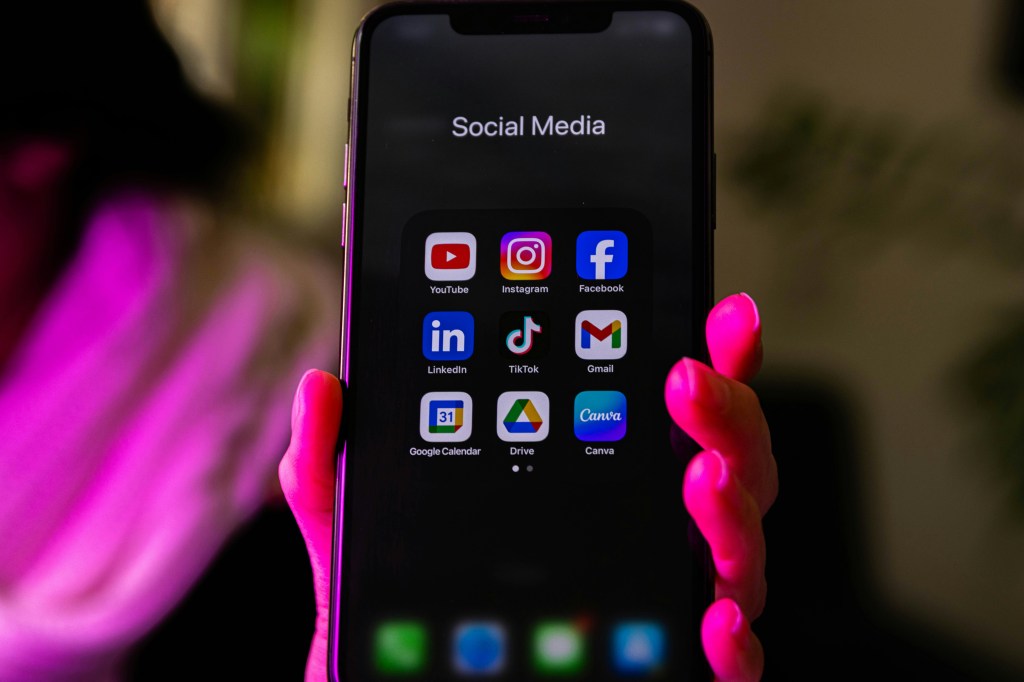
These creators typically use an average of 2.5 formats, with personal websites (53%) and email newsletters (41%) being the most common. They are 60% more likely than traditional journalists to see social media as essential for their reporting. Like their traditional counterparts, they prefer pitches under 200 words, but they are more tolerant of follow-ups within the first week. I have been advising my PR apprentices to identify and include relevant news creators in their media contact lists, follow them on their platforms, subscribe to their newsletters, and understand their unique voices and audiences. I encourage the apprentices to personalise their outreach to news creators, who aren’t constrained by editorial calendars or input in the same way as traditional journalists. News creators have the freedom to pursue stories that genuinely interest them and benefit their specific audiences. This isn’t influencer marketing. They are independent, serious individuals.
As AI tools flood news and information sites with synthetic content, the value of genuine human storytelling, whether from traditional journalists or independent creators, becomes increasingly important, not less. PR practitioners should champion this by developing strategies that support authentic journalism and real connections rather than viewing communications as a cost to be automated away. The evolution of news creators offers an opportunity to engage audiences through trusted voices that prioritise authenticity over efficiency.
[Image by Miguel Ángel Padriñán Alba on Unsplash]

 Bite Size Comms
Leave a comment