QR codes have quietly become one of the most useful bridging tools between physical and digital communication, and PR practitioners are now using them far beyond simple “scan for more info” awareness raising. When used effectively, they can enhance measurability, interactivity, and accessibility in both external and internal campaigns.
QR codes were created in 1994 by Masahiro Hara at Denso (now Denso Wave), a Japanese automotive supplier seeking a better way to track components on busy production lines. Traditional linear barcodes could only store limited data and often had to be printed in long strings that slowed scanning, so Hara’s team developed a two‑dimensional code that could contain much more information and be read quickly from any angle.
The “QR” stands for Quick Response, reflecting the goal of instant decoding, and Denso Wave later chose not to enforce its patent, which helped the format spread widely across industries. Initially adopted in manufacturing and logistics, QR codes truly entered mainstream marketing and communications only once camera-equipped smartphones became common, enabling people to scan them without specialised hardware.
For communicators, the value of QR codes lies in how easily they connect offline touchpoints to richer online content. A small square on a poster, packaging, or slide can link to a video, sign-up forms, or information documents, while also providing trackable engagement data. I visited a film set site that, when not in use by a production company, served as a museum. Each set in the museum had a QR code that could be scanned to view that set in a short film segment. A dynamic QR code also offers flexibility, as it can be updated to point to new content without reprinting physical materials, which is particularly useful for campaigns that develop over time.
The Covid pandemic accelerated the adoption of QR codes as organisations sought contact-free ways to offer menus, information, and services. This normalised the scanning behaviour across different age groups, making QR codes seem familiar rather than experimental. When combined with clear calls to action and mobile-optimised destination content, they fit well within any integrated PR plan. Even before the pandemic, I tried to persuade my village parish council in Long Melford, Suffolk, to install QR codes on historic buildings to help tell their stories to tourists and visitors. It didn’t happen for a decade!
Recent case studies demonstrate that QR codes can deliver measurable results when integrated into the core of the creative concept rather than added as an afterthought. MDL Marinas, which owns and operates 18 marinas across the UK, incorporated QR codes into printed notices, posters, and leaflets, guiding boat owners to TripAdvisor offer pages and sign-up forms, and collecting around 900 customer email addresses in a single campaign. Global brands such as McDonald’s and Pepsi have employed large QR codes on Out of Home poster displays and food and drink packaging to unlock deals, games or exclusive opportunities, transforming passive viewers into active participants.
Retailers and consumer brands are also using QR codes on packaging and in-store displays to provide product information, virtual try-ons, contests, and loyalty enrolment, expanding the storytelling space well beyond what fits on a label. For PR teams, these examples highlight how QR codes can support reputation-building objectives and drive sales by connecting audiences to richer experiences.
Within organisations, QR codes are becoming a useful tool for reaching frontline, deskless employees who might not regularly check email or the intranet. Internal communications teams are adding QR codes to posters and leaflets, directing employees to online webpages that, for instance, explain changes to working conditions. One UK employee engagement provider reports that clients are using QR codes on posters to promote an employee discount app.
Digital signage can also be combined with QR codes to promote immediate responses, such as scanning to complete a feedback survey or register for a company event seen on an office screen. Used in this way, QR codes help transform one-way announcements into two-way interactions, making internal communication feel more responsive and measurable.
For PR and communications practitioners, the opportunity is to make QR codes a standard part of the tactical content mix rather than a novelty. This involves including them in campaign planning from the start, setting clear goals (such as sign-ups, downloads, feedback, visits), and ensuring the experience is quick, mobile-friendly, and well-branded. It also requires considering accessibility and inclusion, providing short URLs alongside codes where possible, and ensuring content is compatible with assistive technologies.
Finally, QR codes should be evaluated like any other tactic, using analytics to understand which physical placements and messages generate the most scans. When done thoughtfully, those dense little squares can provide PR teams with new insights into how audiences move between offline and online – and new ways to demonstrate the value of their work.
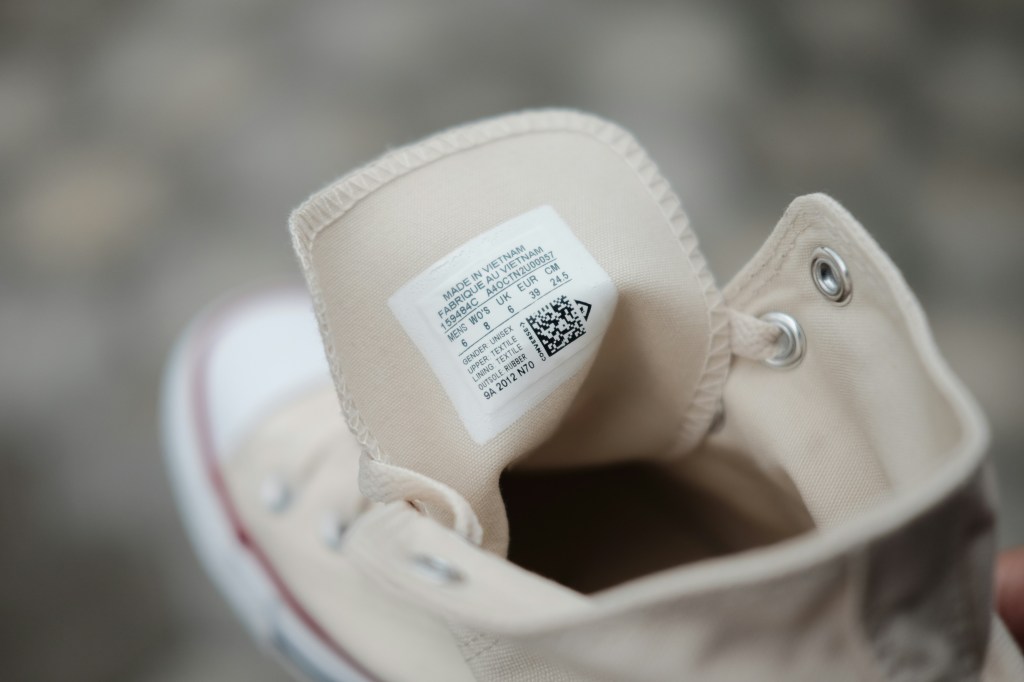
[Image of a sneaker with a QR code on its label, by arif ubayy on Unsplash]



 Bite Size Comms
Leave a comment