A recent article in The Times by Fraser Nelson made me think. He discussed research showing that X’s algorithm rewarded rage and posts that polarised public discourse. The algorithm scores outrage 150 times more than a ‘like’ engagement. X has become a tool for far-right figures to influence people. Social media has become a political amplifier by creating a platform for rage. It’s easy to criticise X and Elon Musk. But what about other platforms?
I have read the phrase “social media is no longer social” many times so far this year. The original ideal of twenty years ago for online platforms to connect us with friends and family is dead. They are now advertising media and a means for powerful American IT oligarchs to influence power, in a way that some newspapers were used by their proprietors a few decades ago. For example, Mark Zuckerberg’s Meta, through its Facebook and Instagram platforms, bans posts about the American ICE paramilitary force. So too do the new owners of TikTok. All to curry favour with the American President. Not because they have hard-right principles, but to make money. Money, money, money.
Then there is the so-called professional platform of LinkedIn, owned by Microsoft, another Trump supporter. How that has changed over the last few months. I used to enjoy reading genuinely interesting thought leadership articles on the platform, pieces that enriched my knowledge and inspired me. Where have most of those articles gone? They are no longer in my feed. Instead, I see endless marketing carousels trying to sell me something, statements on coloured squares, brief political commentary, and, worst of all, selfie videos of someone walking down a street nattering. Urgh! A personal example of how LinkedIn has changed: I spent three hours crafting an article to help communicators better explain the scientific jargon used in climate change. It received a mere 180 impressions. Perhaps it wasn’t interesting, and I can accept constructive criticism. However, looking at other PR writers I respect, I see similar low reach. Is this a symptom of short attention spans? By contrast, a comment I wrote under a PRCA post received over 4,000 impressions in a single day. Something that took only a minute to write. Yes, it was potentially angry, but that one minute was spent on my own due diligence to ensure the post was neutral and not defamatory. The 4,000 reach was entirely due to LinkedIn’s algorithm. Similarly, a comment under a European Movement post claiming that Nick Clegg was not a trustworthy messenger also achieved massive reach. All follow a similar pattern to X.
Perhaps the thoughtful writers have switched to Substack. However, I find the platform frustrating because you can often only read the first two paragraphs of an article without paying. At five pounds a month for each substack, I calculated it would cost me £1,200 a year. As an independent practitioner, I cannot justify such an expense, even if the writing is good and engaging.
Maybe I’m not keeping up with the times. One of my apprentices burst out laughing when I used the phrase “street cred”. She said no one but her parents ever uses that term. However, if there is anyone reading this – maybe it will reach 150 – then I would like to highlight the PR and communications leaders who share really thoughtful articles on LinkedIn or their website blogs. I put the list together for a PR apprentice. Apologies to those I left out; this is my list of great PR long-form writers: Dan Slee (public sector comms), the Comms2point0 website run by Darren Caveney, Stephen Waddington (corporate comms), Kevin Ruck (internal comms), Neville Hobson (anything comms related!), Amanda Coleman (crisis comms), Stuart Bruce and Andrew Bruce Smith (PR and AI), and Lee Edwards (academia).
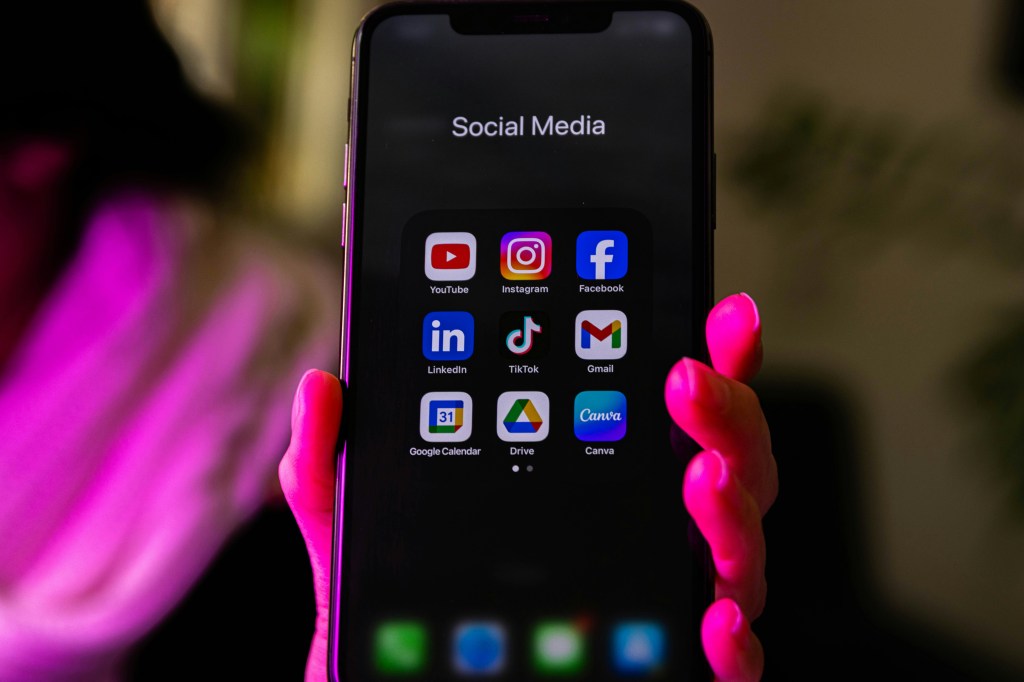
[Image of a mobile phone showing social media icons, by dlxmedia.hu on Unsplash]

 Bite Size Comms
Leave a comment